Section
Health & Life
Health, wellness, psychology, and the life of the mind.
19 piecesNewest first

The Light Changes Before the Day Is Done
After forty years in emergency nursing, Janet Nalini Hull explains the “magic light” that can reveal what matters most as a life nears its end.

CPR Is a Miracle Until It Is Not
CPR can save a life—but when illness is irreversible, families need an honest account of what resuscitation can and cannot restore.

When More Treatment Creates Less Life
The hardest medical question is not whether more treatment is possible, but whether its burdens will consume the life it is meant to preserve.
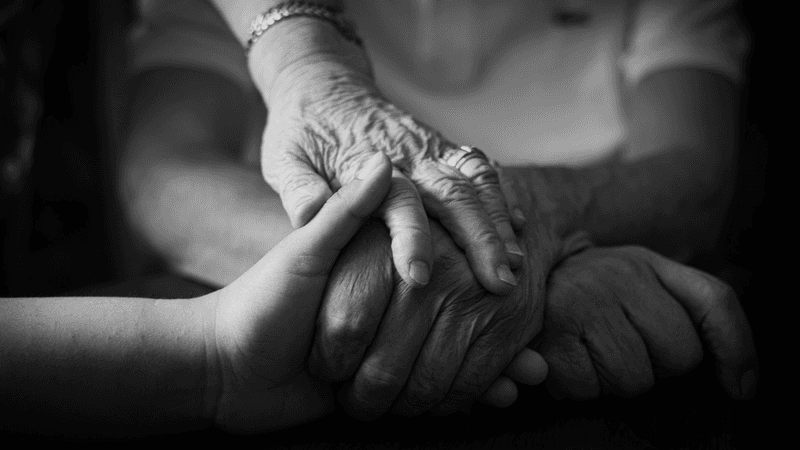
Love Holds On; Attachment Cannot Let Go
When someone is dying, love and the fear of loss can pull a family in opposite directions. The patient’s wishes must remain the compass.

A DNR Order Is Not a Care Plan
A do-not-resuscitate order answers one narrow question. Patients and families still need a positive, individualized plan for care.

Your Last Days Still Belong to You
Advance directives matter, but the conversations behind them are what keep a person’s values present when they can no longer speak.

The Missing Middle Between Cure and Hospice
Palliative care can begin alongside treatment, helping people manage symptoms and make decisions long before hospice is appropriate.

What a Peaceful Death Asks of the Living
A peaceful death may require preparation, skilled symptom care, and the courage to accompany someone without demanding a particular ending.
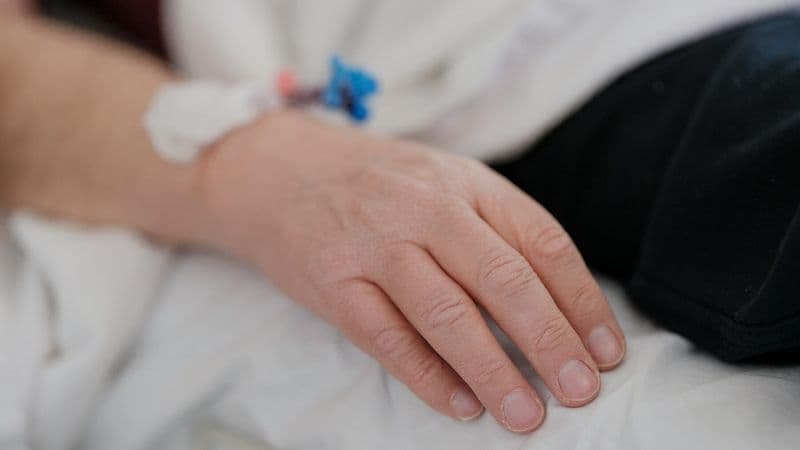
She Had One Last Promise to Keep
When a dying woman pleaded for doctors to stop, her daughter had to choose between one more surgery and the promise she had made.

The Day Three Children Came Back
An ER nurse remembers the frantic rescue that revealed both the miracle of emergency medicine and the bonds formed at death's door.

His Last Request Was a Coca-Cola
At 88, facing a breathing machine he knew he would never leave, Walter made one final decision for himself.

What She Told Her Children After Their Father Died
In one family's worst moment, a mother's words turned sudden loss into a final expression of gratitude and love.

The Diagnosis, the Tractor, and the Chair
A lifelong farmer recognized three signs that his life was winding down, and chose a different kind of care for each stage.

The Do’s and Don’ts of Grief Support
Practical ways to be present for a grieving person—without minimizing their pain, rushing their healing, or trying to fix what cannot be fixed.

3 Steps to Building Resilience
Resilience begins by accepting life’s difficult terms, practicing humility, and learning how to care for ourselves when plans fall apart.

4 Positive Ways to Deal with Jealousy
Jealousy can expose fear, insecurity, and unmet needs. Facing those feelings honestly can turn them into a path toward confidence and growth.

Closure Is a Myth. Healing Is a Lifelong Process
Loss does not end neatly, but healing remains possible when we replace pressure and self-criticism with patience, courage, and self-compassion.

Grieving the Living Losses of Our Lives
Some losses arrive without a death: illness, divorce, estrangement, upheaval, or the end of a life we expected to keep living.
Learning Not to Take Things So Personally
A pause between what happens and how we respond can keep another person’s frustration from becoming a verdict on our own worth.