The Light Changes Before the Day Is Done
After forty years in emergency nursing, Janet Nalini Hull explains the “magic light” that can reveal what matters most as a life nears its end.
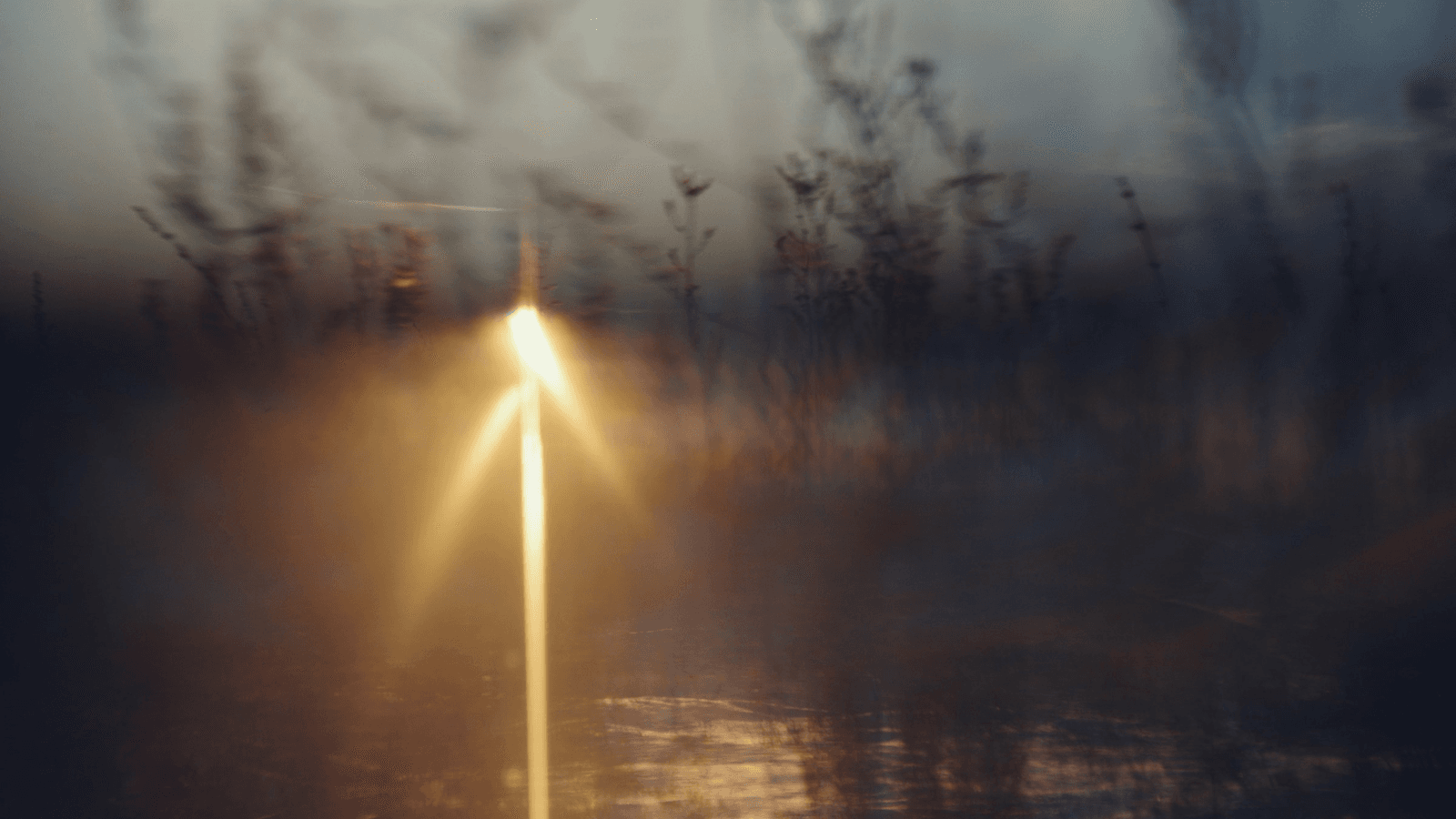
Photographers have a name for the golden glow that sometimes appears just before sunset: the magic light. It reveals colors, textures, and contours that are harder to see at any other time of day. The light does not stop the coming darkness. It lets us see the world differently before darkness arrives.
After forty years as an emergency room nurse, I came to believe that something similar can happen near the end of a human life.
The time of magic light may last months, days, hours, or only a few moments. It does not look the same for everyone. Sometimes it arrives after a doctor says that treatment is no longer working. Sometimes it appears when a person grows quieter, sleeps more, eats less, or seems to turn inward. Sometimes it is revealed in a sudden clarity: a wish to go home, a need to see someone, a refusal of another procedure, or a simple request to be left in peace.
These changes can frighten families. Love naturally wants to hold on. Modern medicine has also taught us to expect another treatment, another specialist, another machine, another chance. Often that determination saves a life. But when a life is irreversibly ending, the same determination can crowd out the tenderness that person now needs most.
Recognizing the magic light is not the same as giving up. It is a change in what we are trying to accomplish.
At first, the goal may be to cure the illness, reverse the crisis, and restore the person to life as they knew it. Later, if recovery is no longer possible, the goal may become relief from pain, freedom from frightening procedures, time with family, familiar surroundings, and the chance to complete unfinished business. The care does not stop. The care becomes more personal.
This transition can make room for extraordinary moments. I have watched strained faces soften when a family finally understood what was happening. I have seen people stop arguing with the inevitable long enough to say what needed to be said. Gratitude surfaced. Old hurts loosened. Hands reached across bedrails. Love, no longer occupied entirely with saving the body, became free to care for the whole person.
No one can predict the end perfectly. A sign is not a stopwatch, and every change deserves thoughtful medical evaluation. But we can ask honest questions. Is the treatment helping this person recover, or merely extending the process of dying? What burdens does it impose? What matters most to the person now? If time may be short, how would they want to spend it?
The setting sun is not a medical failure. It is part of the day.
When we recognize that the light has changed, we may be able to protect a precious interval that otherwise would be lost to panic, machinery, and procedures. We may discover that even as a lifetime is ending, something important is still happening. There is still care to give, truth to speak, forgiveness to offer, and love to receive.
Every season of life has its own light. The final season does too.