Love Holds On; Attachment Cannot Let Go
When someone is dying, love and the fear of loss can pull a family in opposite directions. The patient’s wishes must remain the compass.
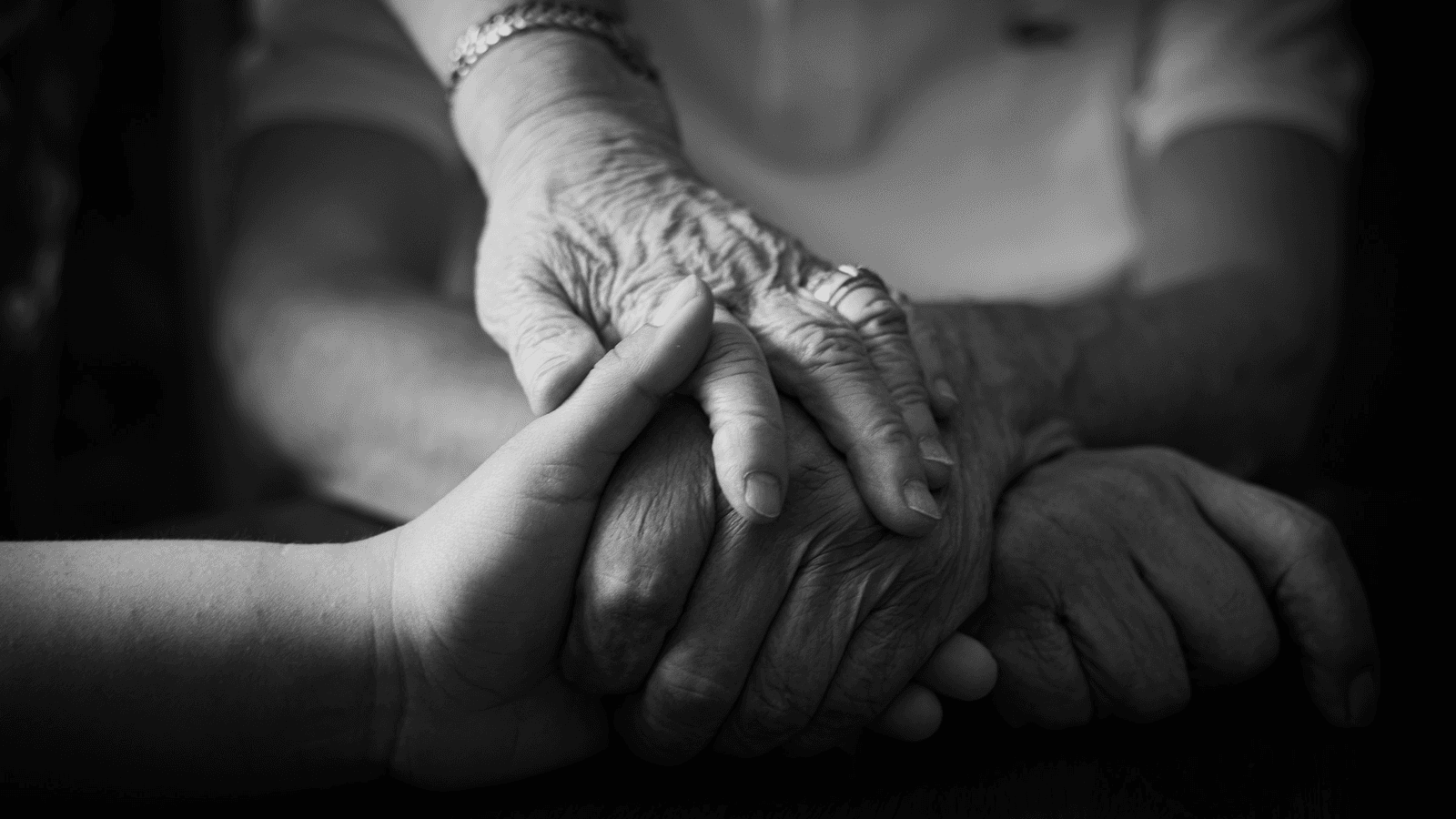
When someone we love is dying, the heart receives two opposing instructions.
One says: Hold on. Do everything. Find another doctor, another treatment, another chance.
The other says: See what is happening. Protect the person you love. Do not make them suffer because you are not ready.
Both impulses can come from love. But they are not always the same thing.
Love pays attention to the person. Attachment pays attention to the terror of losing them. Love asks, “What do you need?” Attachment cries, “What will I do without you?” Most of us move back and forth between the two. No one should be judged for that. Parting is one of the hardest demands life makes.
In hospitals, this struggle often becomes visible when relatives disagree. The family members who have watched a long decline may understand that the patient is exhausted and treatment is no longer working. Then someone arrives from out of town, sees the change all at once, and is shocked. “Why aren’t we doing more?” they ask. Their alarm may restart tests and interventions that the patient had already chosen to stop.
The newly arrived relative is not uncaring. Often the opposite is true. They have not had time to travel the emotional distance the others have crossed day by day.
That is why families need guidance, patience, and a shared focus on the person at the center of the room.
What did they say when they could speak for themselves? What kind of life did they consider acceptable? Did they value being at home, remaining mentally clear, avoiding dependence on machines, or having family nearby? If they could see the present situation, what would they ask us to do?
These questions help love step forward and fear loosen its grip.
Letting go does not mean withdrawing love. It may be one of love’s most demanding acts. It can mean agreeing not to put a frail body through resuscitation that cannot restore it. It can mean accepting medication that relieves breathlessness even if the person becomes sleepier. It can mean allowing eating to diminish naturally rather than forcing nutrition on a body that can no longer use it well. It can mean sitting quietly when there are no more problems to solve.
Families sometimes fear that such choices will feel like abandonment. In practice, the opposite can happen. When the battle with the inevitable ends, people may become more present. They wash a face, moisten lips, adjust pillows, play favorite music, tell old stories, pray, laugh, apologize, and say thank you. Care becomes intimate again.
There may still be doubt. Grief does not wait politely until after death. It enters the room early and makes every choice feel uncertain. But one compass remains available: the known wishes and present needs of the dying person.
Love is not measured only by how fiercely we fight to keep someone here. Sometimes it is measured by whether we can open our eyes, recognize that their journey is ending, and walk beside them without turning their final steps into a struggle for our sake.