Section
Israel
Israel, Jewish life, diplomacy, security, and antisemitism.
9 piecesNewest first

Pope Francis Pillories Israel, Providing a Moral Free Pass to Its Existential Enemies
The pontiff’s rhetoric toward Israel, the authors argue, strengthened a global campaign of demonization while offering no workable path beyond the Gaza war.

The Shame of the Netherlands: A Young Muslim Must Go Into Hiding for Fighting Anti-Semitism
A Muslim doctoral student’s stand against antisemitism forced his family into hiding—and posed a stark test for Dutch civic courage.

Berlin and the Quiet Closing of a Door
The disappearance of a visibly Israeli restaurant after sustained intimidation raises a larger question about whether Jewish public life is again being pushed into retreat.

PM Starmer: Use UK’s Toolbox to Crush Domestic Terrorists Targeting Jews—or Hand It Over to a Leader Who Will
After escalating attacks on British Jews and Jewish institutions, the authors argue that the government must treat the violence as domestic terrorism rather than another foreign-policy dispute.

Seoul Debases Its Reputation as a Middle Power
South Korea’s reliance on false claims about Israel, the authors argue, jeopardizes a hard-earned reputation for balanced diplomacy and democratic responsibility.
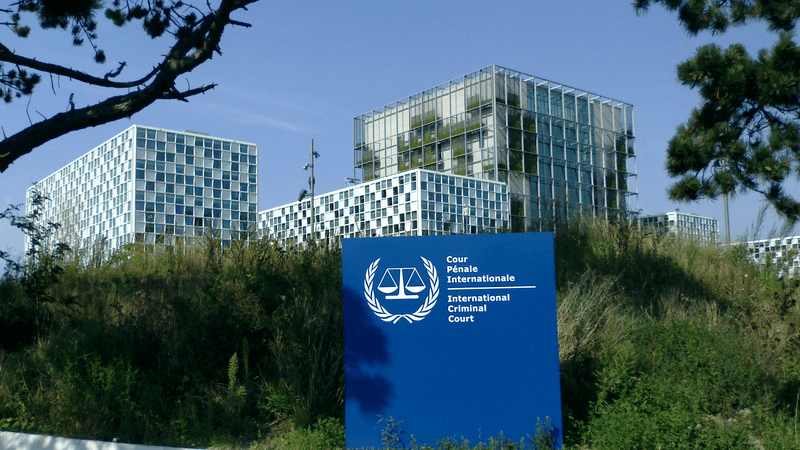
A Conspiracy of Silence, a Blood Libel Against Jewish Nationhood
The authors contend that international institutions and human-rights organizations have inverted the moral meaning of October 7 and rewarded its perpetrators.
Please, No More Lectures
After October 7 and the campaign that followed, finger-wagging from foreign leaders has lost its moral force for many Israelis and Jews.

Truth and Consequences for Europe and the Jews: Fighting Antisemitism While Fueling Jew Hatred
European governments cannot credibly reassure Jewish citizens while advancing accusations that portray Israel as uniquely criminal, the authors argue.
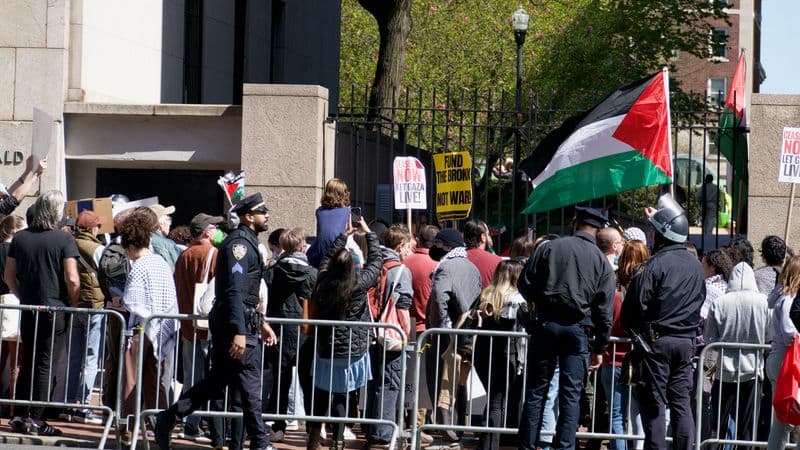
From Messiah To Pariah: How Israel Lost The Left
Israel may have won on the battlefield while losing the global argument. How the left turned against the Jewish state—and what Israel can do next.