3 Ways to Leave a Legacy of Love
A meaningful legacy is built in the present: through how we treat others, put our families in order, and pass our blessings forward.

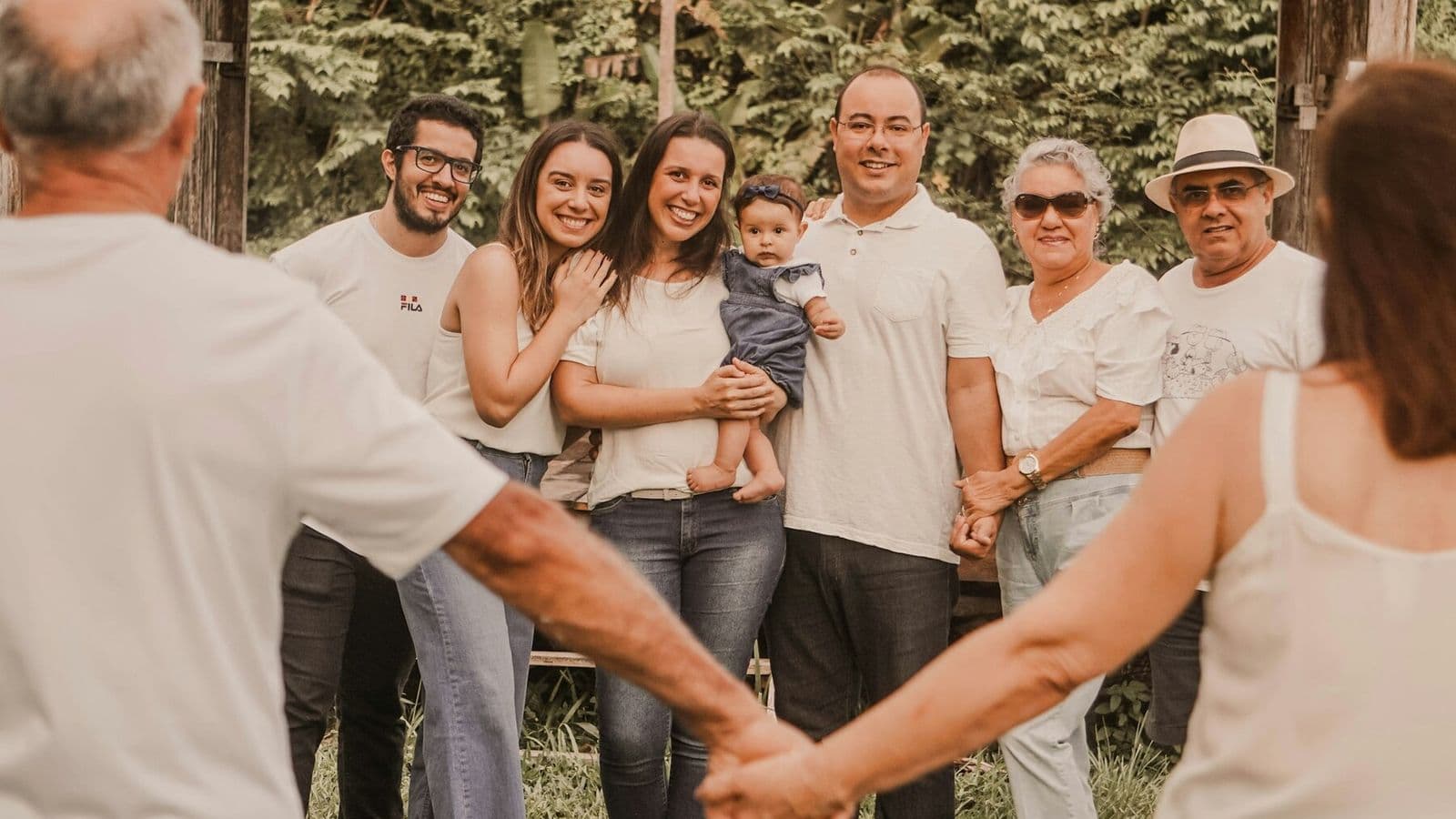
Our legacy is a continual expression of the love, values, faith, beliefs, wishes, and people we hold sacred. It is our investment in the bright future that we hope will live on after we’re gone. Our legacy allows us to continue paying the good in our lives forward even after we’ve passed. Some would argue that it’s one of the most definitive ways in which we live on.
Some of us prefer not to think about the time after we’re gone — and are content not to say, do, think about, and/or leave anything to our children, grandchildren, community, favorite causes, or the future inhabitants of our planet. We want to live in the now and avoid thinking about a world that we’re not going to be a part of. Others step up in anticipation of that time when they’ll be gone, and take steps to pay the good (blessings, gifts, miracles, inheritances, abundance, wealth, wisdom, kindness, and so on) they have experienced forward. Doing so provides them with a sense of peace, purpose, and reciprocity, knowing that they’re selflessly giving something back to the world in gratitude for what they’ve been given.
So what do we need to do to leave a legacy of love? What steps do we need to take? Here are three guidelines to help you get started:
- The most important part of leaving a legacy is what’s happening right here, right now, while you’re alive.
It particularly relates to how you treat other people, especially your loved ones. A legacy is a measure of the kindness, patience, encouragement, inspiration, support, humility, forgiveness, integrity, and trust you’ve shown others. It is made up of what you’ve given to the world, and the difference you’ve made in people’s lives. If you’ve aspired to bring out the best in others, you’re well on your way to leaving a legacy of love and are headed in the right direction.
The following behaviors are often associated with bringing out the best in others:
- Leading with patience, respect, and the desire to understand other people by being a good listener.
- Communicating your needs, feelings, and wants in a direct, forthright, timely, and considerate manner.
- Getting out in front of conflict by talking things out and considering other perspectives.
- Setting healthy limits and boundaries and establishing clear terms and conditions.
- Operating in good faith and being trustworthy and reliable.
- Remaining humble and nonjudgmental.
- Apologizing if and when you’ve said or done something hurtful or wrong.
- Talking out and working through disagreements and differences.
- Letting go of anger and resentment where possible and moving forward.