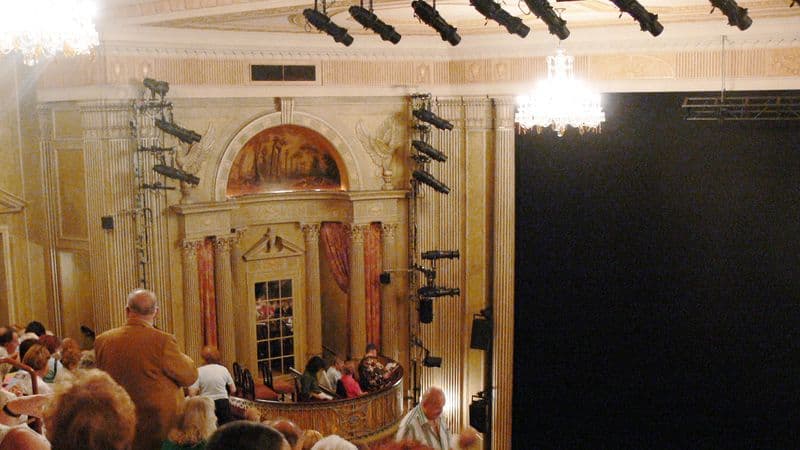
50 Years Later At Carnegie Hall, The Song Remains The Same
Fifty years after Leonard Bernstein’s joyful, imperfect performance, a return to Carnegie Hall reveals what changed—and what endured.

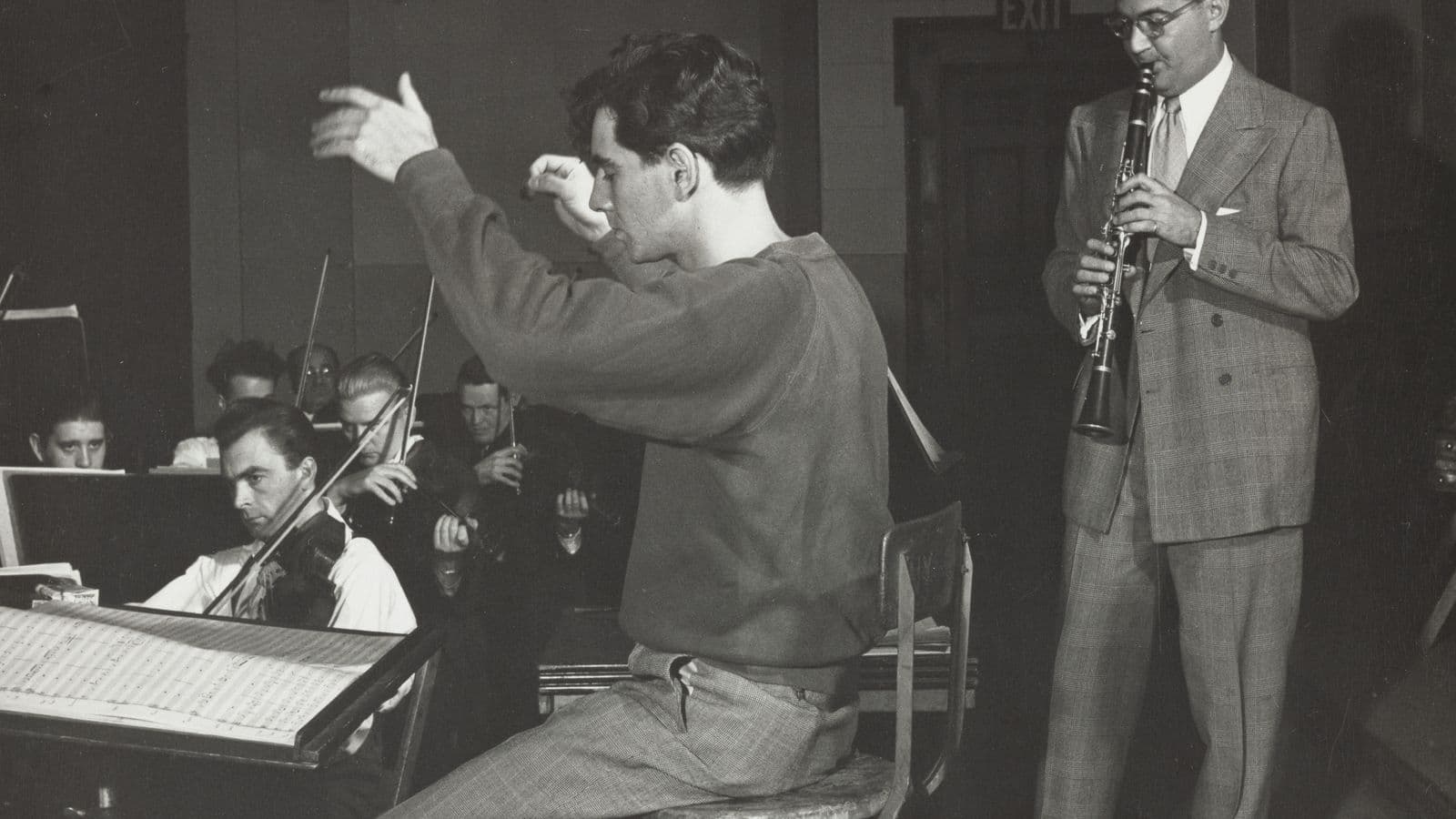
Fifty years ago, on the night of May 20, 1976, the New York Philharmonic celebrated the Bicentennial with a program of American music at Carnegie Hall. The program included Charles Ives' mysterious The Unanswered Question alongside Gershwin’s Rhapsody In Blue and An American In Paris. Conductor and soloist: Leonard Bernstein.
Fast forward 50 years. Last week, the Orchestra of St. Luke's performed a program of American music at Carnegie Hall to celebrate America's 250th birthday. On the program: Charles Ives' still mysterious The Unanswered Question, Gershwin’s An American In Paris, and a composition by that selfsame Leonard Bernstein.
Fifty years of American and personal history, bookended by two concerts, in the same venue, with practically the same program. Which leaves me, to paraphrase Charles Ives, with my own unanswered questions. Where did the time go? Was I the only one in the audience for both performances, 50 years apart? And why does it matter so much to me?
Let’s begin by going back further in time, to the late 1960s. I grew up watching my dad pore over the Schwann record catalog to find just the right recording of a classical piece by just the right conductor and orchestra. I was dragged, er, escorted to orchestral concerts from childhood. So it wasn't shocking that as a teen I made it my business to see Bernstein conduct. And what I saw that night literally changed the course of my life, which is why that concert remains so vital to me, half a century later.
Bernstein used to say that when he conducted a piece, he felt as though he was actually composing it in the moment, giving life to the composer's ideas as if he were having them himself for the first time. That spirit clearly animated Lenny that night at Carnegie Hall. He played with such exuberance and delight that he hit tons of wrong notes. And he was so beatifically happy that he didn’t care about the mistakes, and neither did the sophisticated New York audience, who knew sloppy when they heard it.
Bernstein’s performance of Rhapsody in Blue was so ragged that had any other pianists made so many errors, it would have ended their careers. But not Lenny. That lesson stayed with me. It doesn't matter if something isn't letter-perfect as long as you love what you're doing, and as long as everyone else does, too. Bernstein gave the 17-year-old version of me the right to be imperfect in the name of creating joy.
This life lesson doesn’t apply to engineers, heart surgeons, or anyone else for whom precision is table stakes. But for people like me who make their living in creative fields, a little bit of leeway, to put the cascading of emotion over the pursuit of perfection, makes a huge difference.
Fast forward 50 years. Here I am today, a gently aging 67-year-old, back in the same concert hall, practically in the same seat, hearing some of the very same music I still try to live with the imperfect exuberance that I learned from Leonard Bernstein half a century ago. What's different in my life? Only everything. No longer a high school senior wondering what’s going to be. Instead...married, four kids, grandchildren, a writing career, friendships, wins and losses.